
Relocating or installing sewer connection points – whether for a home extension, a new build, or a change of use – is a complex undertaking that requires proper planning, permissions and guidance from sewer connection specialists. This article explains what’s involved, especially for homeowners, builders and developers in regions of the UK served by Anglian Water, Thames Water and Southern Water – covering much of London, Essex, Norfolk, Suffolk, Cambridgeshire, Kent and beyond.
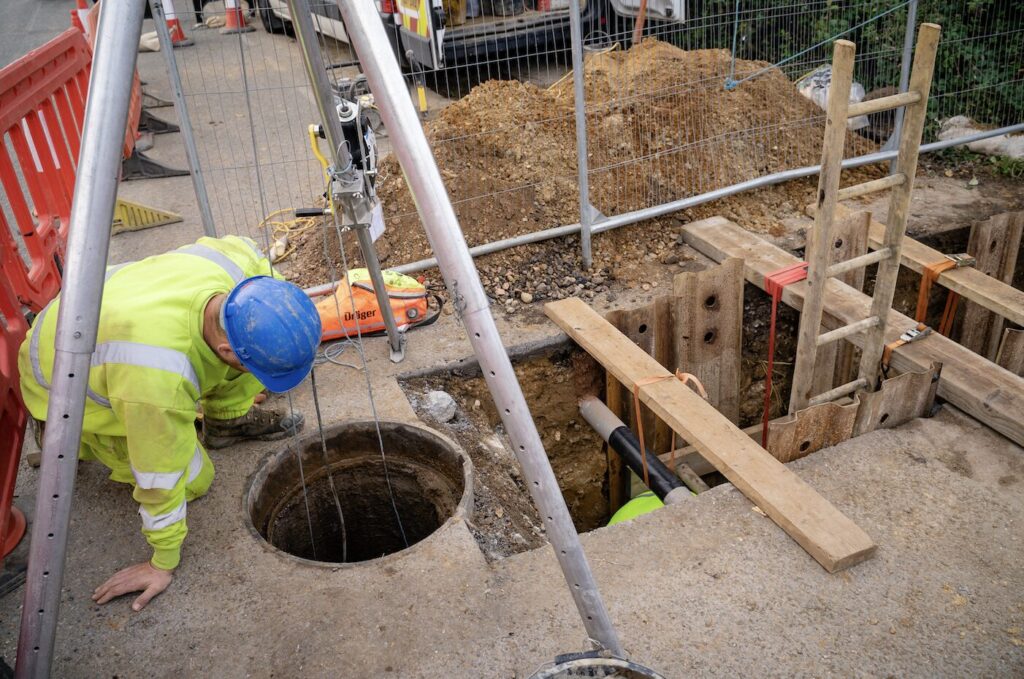
Why and When You Might Need to Move or Create a Sewer Connection
You may need to move an existing sewer connection or create a new one in a variety of circumstances:
- Building a new home (new-build sewer connections) or attaching an extension to an existing property.
- Changing use of a property (e.g. converting a residential building into multiple units, or adding commercial facilities), or increasing the number of properties on a plot.
- Altering drainage layout (e.g. relocating an inspection chamber / manhole / access-point to suit a reconfiguration of the site).
- When a public sewer runs inconveniently under a proposed building or extension — necessitating a diversion or relocation before building can proceed.
In these cases, you will need the help of sewer connection specialists to plan and execute the work properly.
What Is a Section 106 Application, and Why You’ll Need One
Section 106 of the Water Industry Act gives property owners the right to connect to a public sewer – but only after giving proper notice and obtaining formal approval from the water company.
This application process ensures the connection is safe, compliant, and does not jeopardise the capacity or integrity of the public sewer network.
All three water companies require you to submit a connection application (commonly referred to as a Section 106) before:
- connecting a new build
- adding an extension
- converting a property into multiple units
- increasing foul or surface water discharge
- relocating or altering an existing sewer connection
- moving or installing a new manhole/inspection chamber
- carrying out a sewer diversion that connects back into the network
This approval ensures the works meet engineering standards, are safe to connect, and won’t overload the system. There are a few limited circumstances where a Section 106 may not be required – but they are very project-specific. For example:
- If you are upgrading or modifying a private drain without altering its connection to the public sewer.
- If there is no increase in flow, no new building, and no new address being created.
- If all work remains on the private side of an existing drainage system.
However, these exceptions vary by water company and situation. Most homeowners and developers should assume a Section 106 is required unless a specialist confirms otherwise.
How Sewer Connection Processes Differ Between Thames Water, Anglian Water and Southern Water
When planning any sewer connection, diversion or inspection point relocation, it’s essential to understand which water company controls the public sewer in your area – whether that’s Anglian Water, Thames Water or Southern Water.
Each provider has its own approval process, engineering requirements and inspection procedures, and these differences can significantly affect your project’s timeline, cost and design. Knowing who you’re working with ensures your application is submitted correctly and avoids delays or rejected works. If you’re unsure which water company serves your property, we can help you find out quickly and accurately.
Although Thames Water, Anglian Water and Southern Water all operate under the same legislation (the Water Industry Act 1991) and share several identical requirements, each company also has its own engineering standards, approval processes and technical expectations.
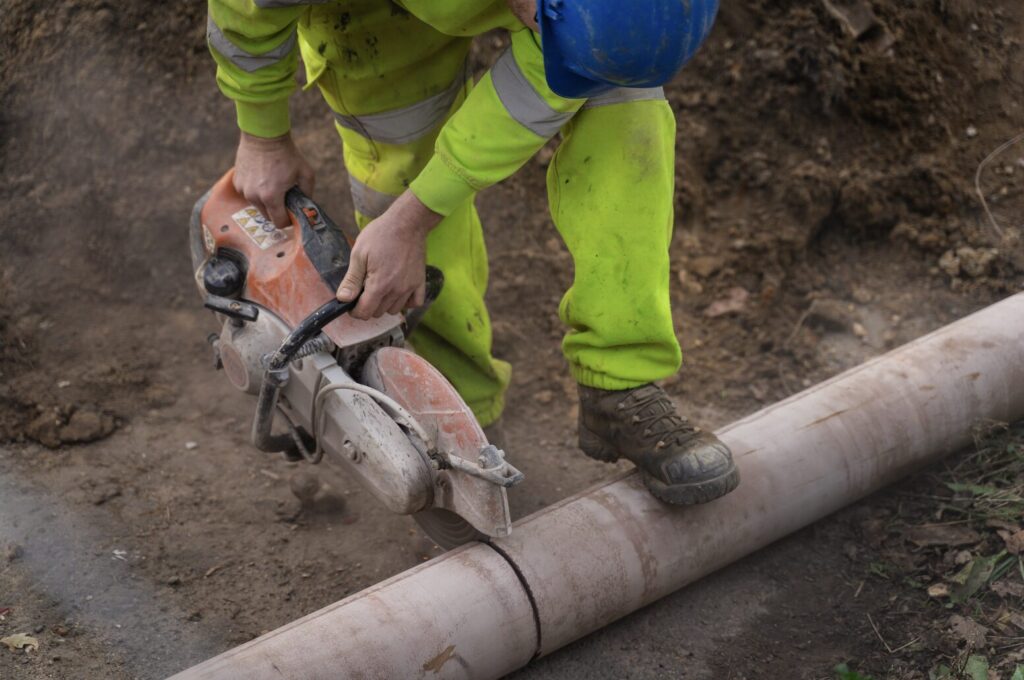
What All Three Water Companies Require
Regardless of whether you’re dealing with Thames Water, Anglian Water or Southern Water, the following rules apply:
1. You must apply and receive approval before connecting to a public sewer.
This is done via a Section 106 (or equivalent wastewater connection) application.
2. You must submit detailed drainage plans.
This typically includes:
- existing/proposed drainage layout
- location of the connection
- pipe diameters, gradients, directions of flow
- invert levels
- manhole locations
- site location plan
3. Work cannot start until consent is issued.
Each company reviews your technical submission and issues written permission.
4. Inspections are required.
All three companies must inspect direct sewer connections and manhole relocations before backfilling.
5. Completion certificates are issued once work passes inspection.
6. Build-over or sewer diversion approval is required if your project is too close to (or directly over) a public sewer.
Where The Processes Differ Between Water Companies
Although the legal framework is similar, the differences lie in:
- Approved connection methods
- Technical specifications for sewers of different sizes/materials
- Depth requirements, safety protocols and method statements
- Timelines for review and approval
- Whether sewer diversions are developer-led or water-company-led
- When capacity assessments are required
Sewer Connections Thames Water
You must apply for permission to connect, relocate or move any inspection chamber or manhole.
- Thames Water accept several types of connections:
- new manhole
- existing manhole
- pre-formed Y-junction
- manhole relocation
- Typical approval time is around 21 days.
- Inspection is mandatory before backfilling; if you fail to arrange this, they may require a CCTV survey.
- After passing inspection, they issue a Consent to Connect certificate.
- Building near or over a public sewer requires a build-over agreement (e.g., within 3m of a public sewer or 1m of a lateral drain).
- Thames Water also handles requisitions for new public sewers or laterals – they can design and build new sewers at your request (for a fee).
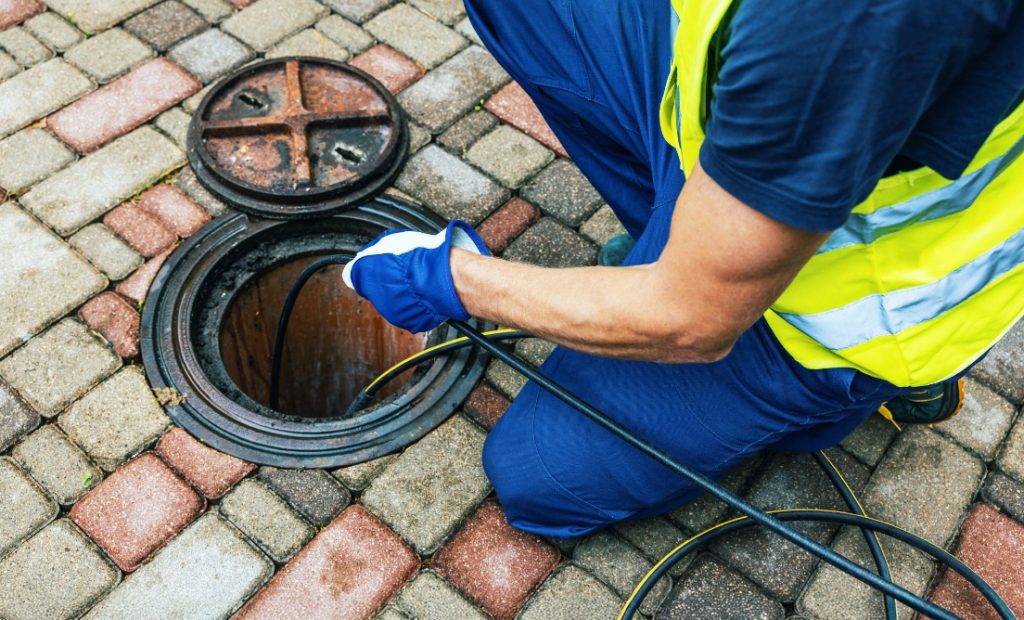
Sewer Connections Anglian Water
Anglian Water offer various connection methods depending on the sewer size:
- junction insertion
- saddle connection
- existing or new manhole connection
- Connection method is based partly on sewer diameter (e.g., junction insertion typically used for sewers ≤300mm).
- Proper excavation is required to expose a safe working length of sewer.
- Large or “special” sewers (over 600mm or unusual materials) require:
- a detailed method statement
- pre-approval before works begin
- They clearly distinguish between direct and indirect connections, both of which may require Section 106 approval depending on how foul and surface water is discharged.
- Developers may install new sewers for future adoption by Anglian Water, provided they meet strict adoption standards.
Sewer Connections Southern Water
- A wastewater connection application is required when building a new property, adding an extension, increasing flows, or altering use.
- Like the other water companies, connecting without approval is illegal under Section 106.
- Some projects require a pre-planning wastewater capacity assessment to confirm the public network can accept the additional flow.
- They offer a sewer diversion service for sewers that obstruct your development layout.
- Some diversions may be developer-led (e.g., smaller non-critical sewers on your land).
- More complex diversions are Southern Water–led.
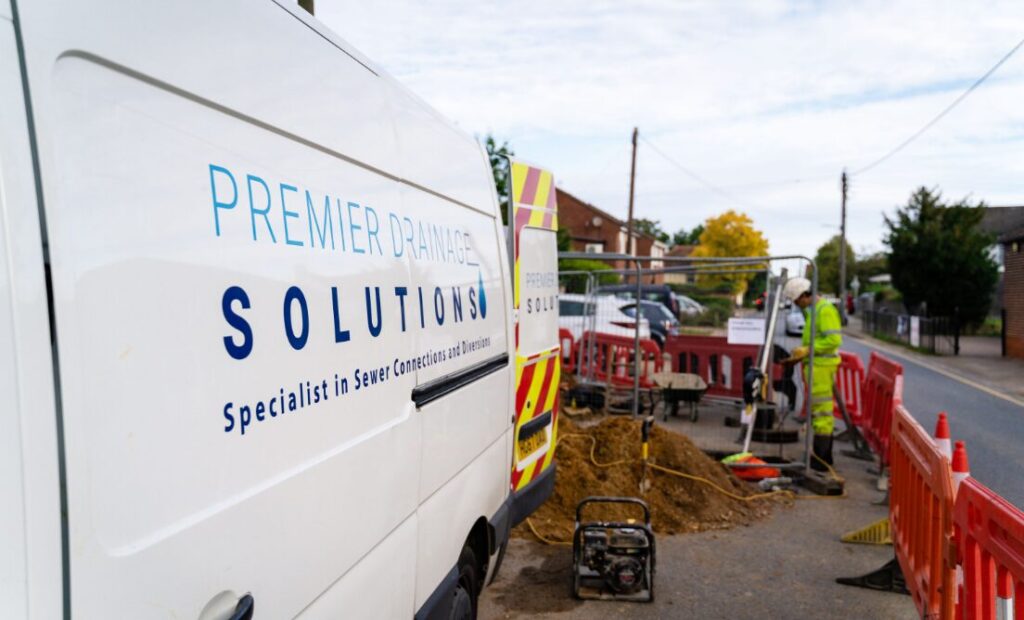
The Role of Sewer and Drainage Specialists in Moving a Sewer Connection
Because of the complexity – legal, technical, logistical – property-owners and developers will engage sewer connection specialist, such as Premier Drainage Solutions. Our role typically includes:
- Locating existing public sewer lines or private drains (often using maps, historical records, or CCTV / drain-survey data).
- Producing detailed drainage layout plans and site-location plans for submission.
- Advising on the correct method of connection (junction insertion, new manhole, relocation, diversion, etc.) depending on sewer type, diameter, depth, and anticipated flows.
- Undertaking excavation safely to public sewer level – sometimes requiring deep digging (in some projects, down to many metres) to reach existing sewer or suitable levels for connection or diversion. Contractors with significant excavation experience are often necessary, especially for complex or deep connections.
- Installing new manholes or inspection chambers where required, or relocating existing ones while ensuring compliance with structural and safety standards.
- Ensuring all works comply with applicable regulations and the requirements of the relevant water company, including surface water separation, correct pipe materials/junction fittings, backfill and gradient standards, and any adoption requirements if the sewer is to be transferred to the water company.
- Facilitating sewer diversions or requisitions when existing public sewer routes conflict with new developments – which may involve negotiating with the water company, third-party landowners, and obtaining required permissions or legal agreements.
Because of the variety and complexity of tasks – and because improper works may lead to flooding, pollution, discharge issues or even legal penalties – it’s important to use competent, experienced contractors.
At Premier Drainage Solutions, we are ISO 9001:2015 certified, and have experience excavating down to depths of 20 metres – useful credentials for deep or complicated jobs.
Key Legal & Planning Considerations: Section 106, Diversions, New Builds
- Under the Water Industry Act 1991 (as implemented by water companies), any new or altered connection – direct or indirect – must be approved in advance. For example, Anglian Water explicitly lists connecting new or altered premises, or making additional connections, as requiring application under Section 106.
- For large developments or where there’s insufficient capacity in the existing sewer system, a pre-planning wastewater capacity assessment may be needed (especially with Southern Water).
- If a public sewer runs through the footprint of a proposed building – or too close – you may need a diversion rather than simply a “build over” agreement. For example, Southern Water’s guidance discourages building over or near public infrastructure; instead, they may require a sewer diversion or design changes.
- If no existing public sewer is nearby, or if existing private drains are inadequate, you may need to requisition a new public sewer or lateral drain (for example with Thames Water) – at your cost.
- Even with approval, water companies will inspect the works (often before backfilling) and only once they are satisfied will they issue a completion certificate – essential for compliance and (if required) future adoption of the sewer by the water company.
Advice for Homeowners and Developers in London, Essex, Norfolk, Suffolk, Cambridgeshire & Kent
If you are in a region served by Anglian Water, Thames Water or Southern Water, here are some practical recommendations if you’re considering moving or creating a sewer connection:
- Engage reputable sewer connection specialists or experts early – particularly those like ourselves, who are familiar with working under the specific water company’s rules in your area. Ask whether they have certifications (e.g. ISO 9001:2015) and whether they have experience with deep excavations (down to 20 metres or more, if relevant).
- Obtain full sewer / drainage maps and conduct a drainage survey before committing to plans. This helps in locating existing public sewers, manholes or private drains, and ensures you don’t inadvertently build over or block existing infrastructure.
- Submit the correct application (Section 106 / “wastewater connection”) before doing any work. Building without consent can lead to enforcement action, removal of connections, fines or costly remediation.
- For new builds or major developments: carry out a pre-planning capacity check, to ensure the public sewer network can handle additional flows – otherwise you may need to consider diversion or requisition.
- If a public sewer crosses your building footprint or boundary – consider a sewer diversion early on. A diversion (rather than a build-over) will help avoid future complications or denials of planning/building permission.
- Ensure your drainage design differentiates between foul and surface water flows. Many water companies insist on separate drains/sewers for surface water (especially for new build or large developments), to avoid overloading the foul sewer and to manage flood and environmental risk.
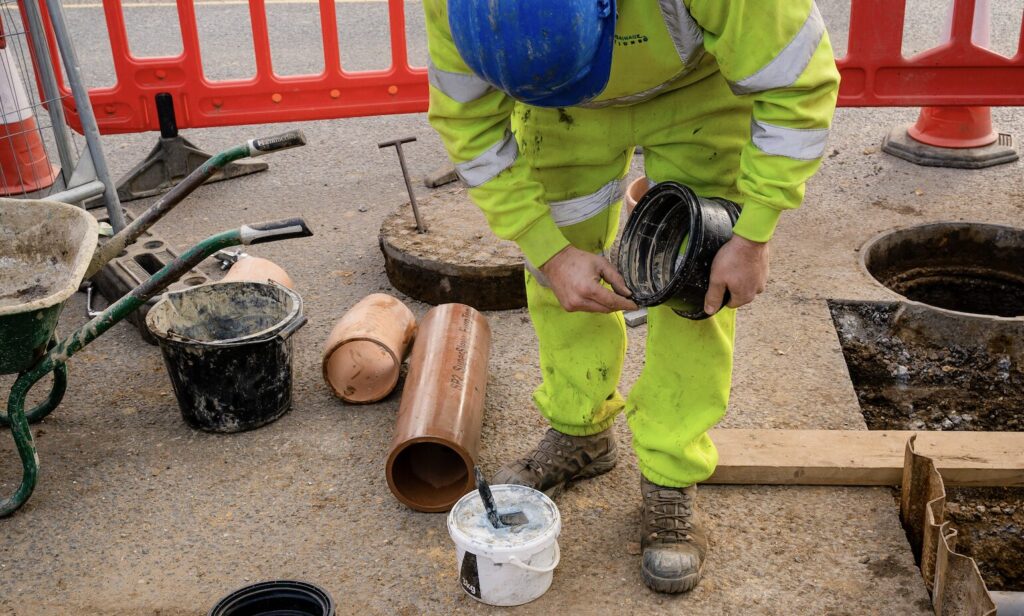
Why Professional Sewer Connection Experts Matter
Because of the technical and regulatory complexity, moving or installing sewer connections – especially involving manhole relocation, deep excavation, or sewer diversions – is a specialist job.
Using certified, experienced sewer connection experts reduces the risk of:
- non-compliance with water company requirements or legislation,
- structural failures, improper gradient or flow issues,
- future drainage problems (blockages, flooding, pollution),
- delays or legal consequences arising from unauthorised works,
- rejection of adoption by the water company (if you intend the sewer to be adopted).
Moreover, for large or deep projects, a contractor like Premier Drainage Solutions with real experience excavating down to, say, 20 metres – and working safely around live public sewer mains – brings both competence and peace of mind.
Moving Sewer Connection Points
Moving sewer connection points – whether relocating a manhole, creating a new sewer connection for a new build, or diverting a sewer to accommodate development – is a significant undertaking. It requires careful planning, working with the relevant water company (Anglian Water, Thames Water or Southern Water, depending on region), submitting appropriate applications (often under Section 106 of the Water Industry Act 1991), detailed drainage design, and competent excavation/installation work.
For homeowners, landlords and developers in London, Essex, Norfolk, Suffolk, Cambridgeshire, Kent and neighbouring areas – employing experienced sewer connection experts (ideally certified, with deep-excavation capability) is critical to ensure the success of your project. Doing so ensures compliance, avoids legal and structural risks, and helps guarantee that new sewer connections or relocations are safe, reliable and adoptable by the water company.
Contact Premier Drainage Solutions today to discuss your requirements and book your free site visit.